Choosing the right pump can help you avoid unpleasant surprises when your home’s plumbing isn’t working properly. Consider how grinder pumps handle solids in tight spaces, how sewage pumps efficiently transport bulk, and how sump pumps keep water out. Location, pipe size, power, and maintenance are all important. Costs and lifespans do as well.
You don’t need guesswork—you need a direct match for your layout and waste type, but there’s one caveat you shouldn’t overlook…
How Grinder, Sewage, and Sump Pumps Work
Although they serve different jobs, grinders, sewage, and sump pumps all move liquids automatically from low points to discharge lines using an impeller driven by an electric motor and a float switch that turns them on as levels rise.
Rely on grinder pumps to macerate solids for smoother waste disposal through small-diameter piping, boosting pump performance in demanding conditions.
Sewage pumps pass larger solids without grinding, prioritizing reliability and pump efficiency.
Sump pumps clear clean, or muddy water to prevent flooding.
Evaluate system compatibility—liquid type, solids size, head, and duty cycle—to avoid installation challenges and select the pump that works best.
Installation Locations, Piping, and Power Requirements
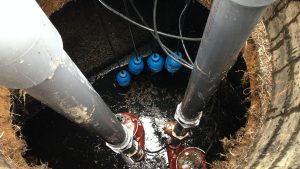
Sewage pumps are typically installed in basements or other sealed basins below fixture level. They are designed to drain wastewater into a sewer or septic line using 2-inch or larger discharge pipes that have check and ball valves.
Set grinder pumps in similar pits, using pressure-rated piping types and cleanouts for service.
Put sump pumps in dedicated sump pits with smooth, unobstructed discharge to daylight.
Address installation challenges like venting, backflow prevention, and freeze protection.
Match power sources. 115/230V for sewage and grinder pumps; 115V typical for sump pumps, with battery backup or generator.
Verify location advantages and system compatibility before sizing.
Best Use Cases by Home Layout and Site Conditions
Because home layouts and site conditions drive pump choice, match sewage pumps to basements with toilets, laundry, or fixtures below the street sewer, especially on flat lots or long sewer runs where gravity won’t work.
Place grinder pumps where frequent solids appear or when you need long, small-diameter force mains for reliable waste disposal.
Choose sump pumps for high water tables, poor drainage, or heavy rain—anywhere flooding risk threatens your basement design.
1) Picture a below-grade bath: the pump location tucked in a sealed basin, ensuring system compatibility.
2) See a hillside lot: grinders pushing uphill waste.
3) Imagine storm-soaked clay soil: a sump clearing groundwater fast.
Materials, Features, and Maintenance Considerations
Start by matching materials to the job. Sewage pumps use corrosion‑resistant cast iron or heavy‑duty thermoplastics with sealed bearings, stainless fasteners, and oil‑filled, thermally protected motors to survive harsh, solids‑laden waste, while sump pumps favor durable plastics or cast iron that tolerate continuous water exposure.
For grinder pumps, choose hardened impellers and cutter assemblies to protect pump durability. Check the material composition against chemicals in your waste stream.
Specify a reliable float switch, inspect valves, and alarms to boost operational efficiency. For sewage and grinder systems, set the maintenance frequency to quarterly. For sump, set it to semiannual.
Clean pits, test switches, and clear discharge lines.
Cost, Lifespan, and Selecting the Right Pump for Your System
Though both pump types move unwanted water, their costs, lifespans, and selection factors differ in ways that should drive your choice.
To begin, here is a breakdown of the three types of pumps based on their operating costs: grinder pumps, sewage pumps, and sump pumps.
The lifespan analysis should weigh duty cycle, solids handling, and maintenance access.
For pump selection, match head, flow, and environment to your system, then test assumptions with a quick value assessment.
1) Picture a quiet basement: a dependable sump pump cycling during storms.
2) Visualize a busy household: a sewage pump clearing fixtures below grade.
3) Imagine remote lots: grinder pumps tackling solids reliably.
Prioritize budget considerations without sacrificing reliability.
Trust South Florida Lift Stations for Your Pumping Needs
It is essential to know the distinctions between grinder pumps, sewage pumps, and sump pumps in order to choose the appropriate pump for your system. The effectiveness and seamless functioning of your system are greatly affected by the type of pump you choose, as each type has a specific function.
Professional lift station services and first-rate, individualized pumping solutions are what we do best at South Florida Lift Stations. From helping you choose the right pump to providing continuous support and maintenance, our devoted staff is here to make sure you get the best service possible.
South Florida Lift Stations expertly manages your system, enabling you to effortlessly navigate any obstacles. Allow us to help you maintain a smoothly operating system so you can give your full attention to what is truly important.