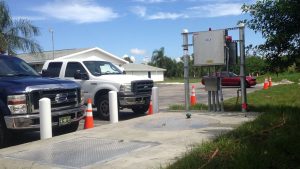

Lift stations keep wastewater moving, protect streets and homes from sewage backups, and reduce disease transmission from contaminated surfaces. When they run smoothly, they reduce storm-related overflows and increase community resilience. However, their performance is dependent on intelligent automation, regular maintenance, and clear emergency plans. You might believe that the pumps do all of the work, but that is only part of the story—what truly keeps your system safe is not obvious at first glance…
How Lift Stations Protect Community Health
Even when gravity can’t do the job, lift stations keep wastewater moving, preventing backups that can push sewage into streets, homes, and businesses.
You rely on them to keep your sewer system sanitary, reducing disease risks from contaminated surfaces and water. By limiting overflows during storms, they lower the environmental impact on streams and groundwater.
You can strengthen protection through public awareness, health education, and community engagement—report odors, avoid flushing wipes, and safeguard cleanouts.
When stations work, drinking water stays safer, and neighborhoods remain livable. Support maintenance funding, emergency preparedness, and inspections to prevent failures and protect community health year-round.
Core Components That Safeguard Wastewater Quality
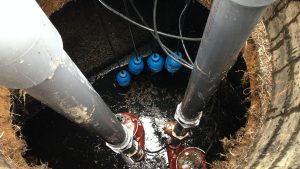
While gravity guides flow to the wet well, core components inside a lift station actively protect wastewater quality before it moves downstream. You rely on tuned elements that keep contaminants contained, odors minimized, and equipment balanced so solids and surges don’t degrade treatment performance later.
1) Wet well design: Baffles, coatings, and ventilation limit corrosion, odors, and sediment, preserving a stable influent.
2) Pump types: Submersible, centrifugal, and positive displacement match solids and flow, reducing shear and ragging.
3) Control systems: Level sensors, alarms, and VFDs hold optimal turnover while preventing overfill.
4) Safety mechanisms and maintenance schedules: Non-return valves, gas detection, and disciplined inspections ensure consistent, clean throughput.
Pump Operations and Automation for Reliable Service
Building on components that keep influent stable, you now depend on pump operations and smart automation to move flow reliably without interruptions.
You match pumps to duty cycles, then use VFDs to boost pump efficiency and minimize wear. You deploy automation technologies that synchronize starts, balance run times, and prevent short cycling.
With continuous flow monitoring, you detect anomalies, recalibrate setpoints, and validate capacity. Your control systems integrate alarms, remote access, and trend analytics, so you respond before failures cascade.
You standardize logic, test failover sequences, and verify redundancy to protect operational reliability, safeguard assets, and keep wastewater moving.
Managing Storm Surges to Prevent Overflows
When storm swell flows beyond normal patterns, you shift lift stations into surge-ready mode to keep wastewater contained and moving.
You execute storm surge management with clear thresholds, real-time telemetry, and flexible pumping to absorb peaks without spills.
You prioritize overflow prevention strategies that coordinate upstream storage, interstation bypasses, and controlled throttling.
You validate capacities through rainfall impact analysis and hydraulic modeling techniques, then refine setpoints as fast as radar updates.
1. Quantify inflow surges with forecast-driven setpoint changes.
2. Stage portable pumps and generators for redundancy.
3. Route excess to equalization basins before cresting.
4. Harden assets, boosting urban infrastructure resilience.
Routine Maintenance Practices That Reduce Health Risks
Because routine upkeep is your first line of defense against contamination, you focus on tasks that directly cut health risks: inspect pumps and seals for wear, clean wet wells on a fixed schedule to prevent grease caps and odor-causing buildup, and test level sensors and toxic-gas detectors to verify accurate alarms.
You implement routine inspection strategies and maintenance scheduling techniques that prioritize high-risk assets and seasonal load changes. Apply preventative repair measures—replace worn impellers, tighten fittings, and recalibrate controls before failures occur.
Strengthen staff training programs on lockout/tagout, confined-space entry, and sanitation. Promote community engagement initiatives to report odors, illegal dumping, and unusual discharge patterns promptly.
Monitoring Toxicity and pH for Safe Operations
Even if your pumps run flawlessly, you can’t operate safely without continuous toxicity and pH monitoring in the wet well.
You need toxicity detection to catch corrosive, explosive, or biologically harmful conditions before they escalate. Pair it with precise pH monitoring to protect equipment, operators, and downstream treatment.
New sensor technology provides constant, accurate information that triggers alarms, controls settings, and analyzes trends to ensure wastewater safety and lessen environmental harm.
1. Install redundant probes and verify with grab samples.
2. Calibrate on a schedule aligned with manufacturer drift specs.
3. Trend data to flag abnormal spikes or gradual shifts.
4. Integrate alarms with automated dosing controls.
Emergency Power and Response to Prevent Contamination
Although your pumps and controls may be reliable, you still need emergency power and a rapid response plan to keep sewage out of streets and waterways.
Protect public health by pairing power redundancy with hardened backup systems—generators, transfer switches, and battery banks that start automatically.
Establish clear emergency protocols: alarm escalation, mobile bypass pumping, and prioritized dispatch. Use remote monitoring to verify runtime, fuel, and load.
Drill often; response training builds muscle memory and cuts minutes. Stage spares and hoses. Coordinate with utilities and first responders. Document lessons learned.
Please measure performance against contamination prevention metrics and subsequently refine your playbook.
Planning Upgrades to Address Aging Infrastructure
Before failures force reactive fixes, plan upgrades that target your riskiest lift-station assets with data-driven precision.
Start with infrastructure assessments that rank condition, criticality, and failure likelihood, then align projects to public health risk and regulatory deadlines. Use lifecycle costing to sequence replacements, right-size pumps, and harden controls.
1. Conduct infrastructure assessments, including hydraulics, VFD performance, and wet-well condition, to prioritize work.
2. Build funding strategies mixing grants, bonds, and phased capital to stabilize rates.
3. Drive community engagement to explain risks, benefits, and construction impacts.
4. Advance technology integration and sustainability practices—SCADA, sensors, energy recovery, and corrosion-resistant materials—to extend service life.
Strengthen Your Community with South Florida Lift Stations
Partnering with South Florida Lift Stations means putting proven expertise to work for your community. As a local, veteran-owned team with decades of hands-on experience, we bring premier pumping solutions, precision maintenance, and rapid-response service that keep your systems reliable in any condition. From smart monitoring and optimized pump performance to emergency readiness and turnkey maintenance programs, our specialists deliver the uptime, compliance, and cost control your operation depends on.
Clients choose us for our responsive communication, transparent workmanship, and commitment to doing the job right the first time—backed by a reputation built on integrity and results. When the unexpected hits, our 24/7 support and robust service capabilities help prevent overflows, protect waterways, and safeguard neighborhoods.
Choose South Florida Lift Stations to keep your infrastructure resilient, your community protected, and your budget predictable—today and for the long run.